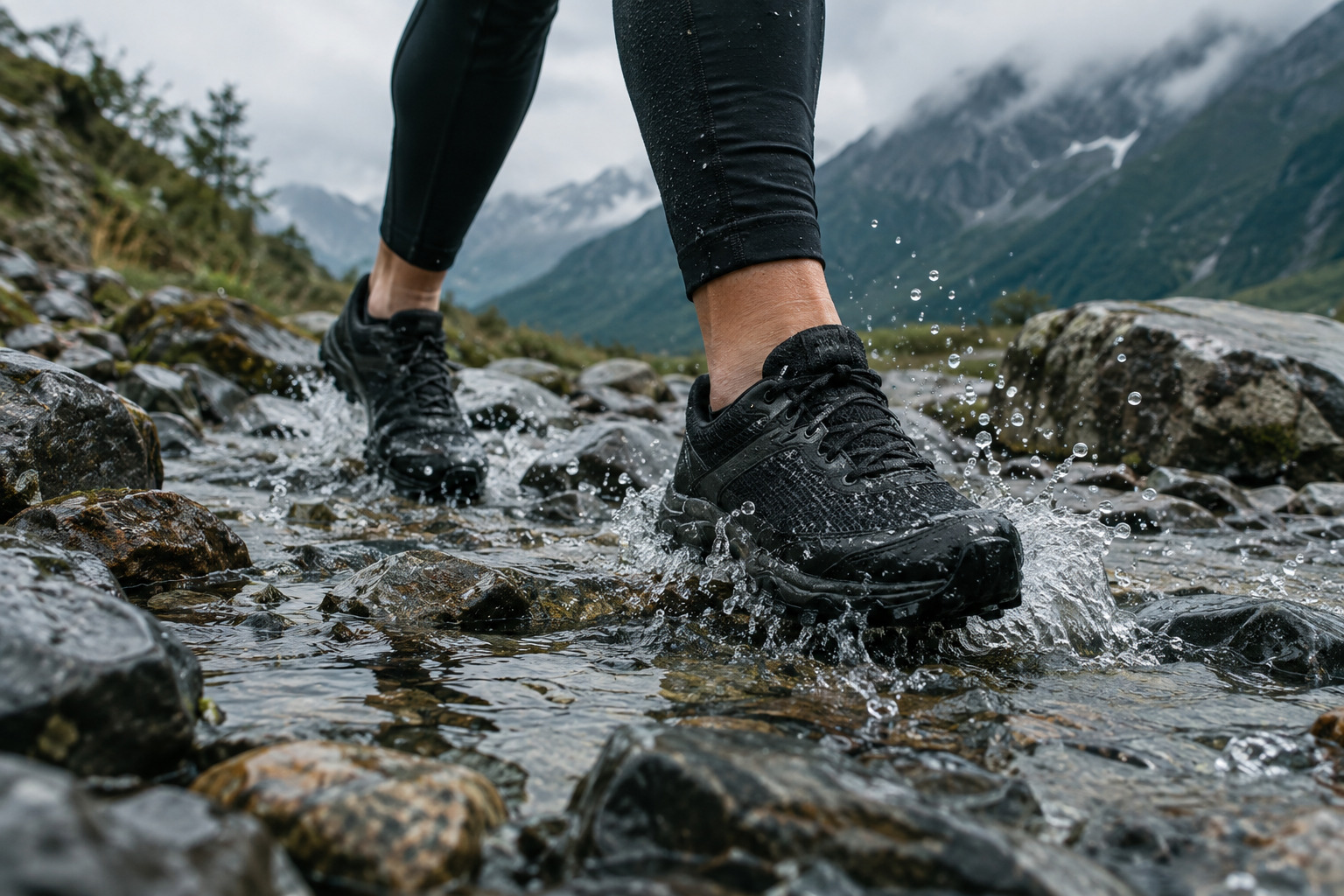
Wet rock and mixed paths
Look for a lugged outsole and a stable landing platform. On uneven ground, tread shape and confident contact matter more than a road-shoe feel.
Choose trail footwear around grip, cushioning and weather protection for the routes you actually run.
Look for a lugged outsole and a stable landing platform. On uneven ground, tread shape and confident contact matter more than a road-shoe feel.
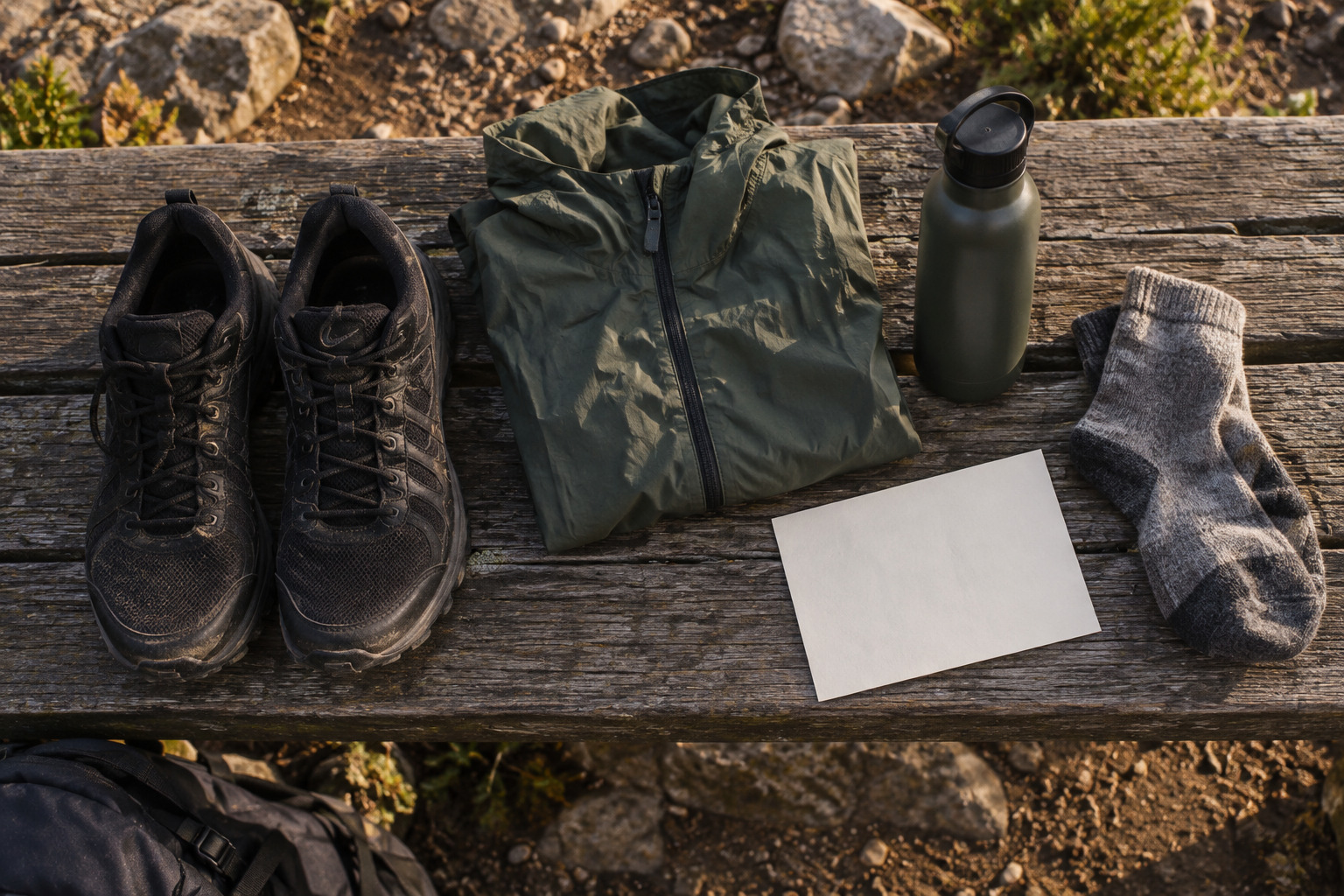
Match socks, layers and water to distance and weather. Check laces and heel hold before leaving the trailhead.
A protective upper can help reduce rain and trail moisture entering the shoe. Breathable mesh, secure lacing and a comfortable fit still matter across warmer and cooler outings.
Protection is not a substitute for checking conditions. Slow down on slick surfaces and choose a route that suits your experience.

No. They can suit parks, gravel roads and mixed outdoor routes where extra tread and protection are useful.
Different tread patterns favour different terrain. Choose for the surfaces you use most often.
Remove loose dirt, air-dry away from direct heat and inspect the outsole and upper before the next outing.
Use comfort, route length and stability as guides. The softest option is not automatically the best fit for every runner.
Explore footwear built for outdoor miles and changing conditions.
Explore the collection
Start with familiar routes, add distance gradually and let terrain and weather guide the kit you carry. Consistent preparation makes outdoor miles easier to enjoy.